
Onco Surgery
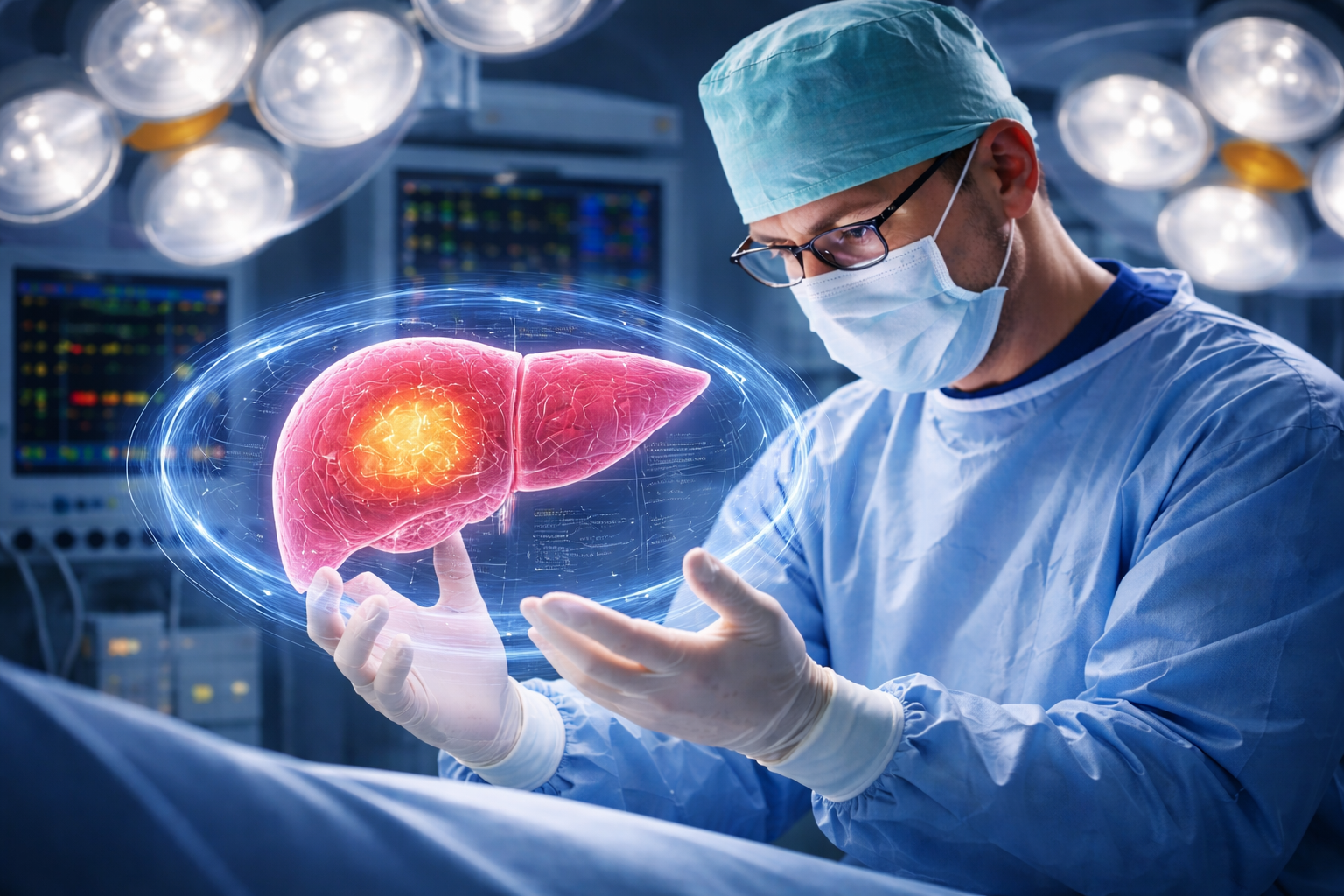
Oncosurgery, or surgical oncology, is a specialized field focused on using surgery to diagnose, stage, and treat various cancers by removing tumors and affected tissues. It is used for solid tumors in organs, muscles, and bones, aiming to eradicate cancer while preserving healthy tissue, often combining with chemotherapy or radiation.
Key Aspects of Oncosurgery
• Types of Procedures:
Diagnostic (Biopsy): Tissue removal to confirm cancer.
Curative/Excision:
Removing the tumor and surrounding margins (wide local excision or segmentectomy).
Staging: Removing lymph nodes to check for spread.
Debulking: Removing as much of the tumor as possible when total removal is not safe.
Oncosurgery, or surgical oncology, is a specialized field focused on using surgery to diagnose, stage, and treat various cancers by removing tumors and affected tissues. It is used for solid tumors in organs, muscles, and bones, aiming to eradicate cancer while preserving healthy tissue, often combining with chemotherapy or radiation.
Key Aspects of Oncosurgery
• Types of Procedures:
Diagnostic (Biopsy): Tissue removal to confirm cancer.
Curative/Excision:
Removing the tumor and surrounding margins (wide local excision or segmentectomy).
Staging: Removing lymph nodes to check for spread.
Debulking: Removing as much of the tumor as possible when total removal is not safe.
Palliative: Surgery to relieve symptoms and improve quality of life.
Reconstructive: Restoring function or appearance after tumor removal.
• Techniques:
Minimally Invasive Surgery: Laparoscopic or robotic-assisted methods for smaller incisions and faster recovery.
Day Care Oncosurgery: Same-day surgery for specific, low-complication procedures.
CRS (Cytoreductive Surgery) with HIPEC: Treating advanced cancers with surgical removal of tumors followed by heated chemotherapy in the abdomen.
Specialized Areas: Includes gastrointestinal, breast, head and neck, thoracic, and orthopedic (bone/soft tissue) oncosurgery.
Surgical oncologists are crucial in the multidisciplinary care team, and their role may include palliative measures to reduce symptoms. The goal is to maximize the chance of a cure while maintaining the patient’s quality of life.
Palliative: Surgery to relieve symptoms and improve quality of life.
Reconstructive: Restoring function or appearance after tumor removal.
• Techniques:
Minimally Invasive Surgery: Laparoscopic or robotic-assisted methods for smaller incisions and faster recovery.
Day Care Oncosurgery: Same-day surgery for specific, low-complication procedures.
CRS (Cytoreductive Surgery) with HIPEC: Treating advanced cancers with surgical removal of tumors followed by heated chemotherapy in the abdomen.
Specialized Areas: Includes gastrointestinal, breast, head and neck, thoracic, and orthopedic (bone/soft tissue) oncosurgery.
Surgical oncologists are crucial in the multidisciplinary care team, and their role may include palliative measures to reduce symptoms. The goal is to maximize the chance of a cure while maintaining the patient’s quality of life.